
Shisha Charcoal Types and Uses Guide

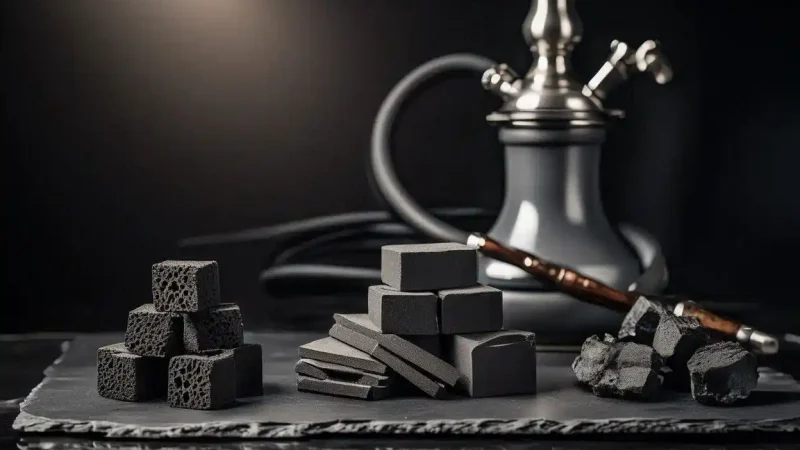
Understanding shisha charcoal types and uses is essential for both casual users and business owners. The right charcoal improves flavor, heat control, and overall session quality.
In this guide, you will learn the main types, their functions, and how to choose the best option for your needs.
Shisha Charcoal Types Overview
First, you need to know the two main categories. Natural charcoal comes from organic materials like coconut shells or wood.
Meanwhile, quick light charcoal contains chemical accelerants that help it ignite instantly. However, it often produces more smell and affects taste.
Therefore, many experienced users prefer natural charcoal for better performance.
Coconut Shisha Charcoal Uses
Next, coconut charcoal has become the most popular choice in modern shisha setups. It offers consistent heat and longer burn time.
Additionally, it produces minimal ash and does not alter the tobacco flavor. This makes it ideal for lounges and frequent users.
Because of these advantages, coconut charcoal supports efficient and stable sessions.
Wood Shisha Charcoal Characteristics
On the other hand, wood charcoal represents a more traditional option. It lights faster than coconut charcoal and delivers strong initial heat.
However, it burns unevenly and produces more ash. As a result, users need to manage heat more carefully during sessions.
Still, some people enjoy its classic feel and slightly smoky aroma.
Shisha Charcoal Shapes and Uses
Charcoal shape also affects usage. Manufacturers design different forms for specific needs.
Here are the most common types:
- Cube: long-lasting and stable heat
- Flat: quicker heating, easier control
- Finger: suitable for smaller bowls
- Hexagonal: balanced airflow and durability
Each shape serves different preferences. For example, cubes work well for long sessions, while flats suit shorter use.
Choosing Shisha Charcoal Types
Now, selecting the right charcoal depends on your purpose. If you run a business, consistency becomes your priority.
Coconut charcoal usually delivers reliable results and reduces waste. On the other hand, quick light charcoal suits beginners who want convenience.
If you want to explore more about Shisha charcoal, understanding product variations will help you make better decisions.
Practical Shisha Charcoal Uses
To get the best results, follow these simple practices. These tips help improve both performance and durability.
- Use a proper burner for natural charcoal
- Avoid overloading the bowl with heat
- Rotate charcoal regularly for even burning
- Clean ash to maintain airflow
By applying these tips, you can improve both flavor and efficiency.
Market Trends in Shisha Charcoal
Recently, demand for eco-friendly charcoal has increased. Many businesses now prefer coconut-based products due to sustainability.
At the same time, customers expect cleaner smoke and longer sessions. This trend makes natural charcoal more competitive in the market.
For further insights and product references, you can visit indobriquettescharcoal to explore various informative resources.
Conclusion
In summary, understanding shisha charcoal types and uses helps you choose the right fuel for better sessions. Natural options like coconut charcoal offer stability, cleaner smoke, and efficiency.
Meanwhile, wood and quick light charcoal still serve specific needs, especially for traditional use or convenience. By matching the charcoal type with your purpose, you can achieve a more enjoyable and consistent shisha experience.