
Coconut Shell Charcoal Briquette Making Machine
The Coconut Shell Charcoal Briquette Making Machine, coconut shell charcoal briquette industry has been growing rapidly due to increasing global demand for sustainable and eco-friendly fuel alternatives. One of the key factors in producing high-quality briquettes efficiently is using the right machinery.
A Coconut Shell Charcoal Briquette Making Machine not only enhances production speed but also ensures consistent product quality that meets both domestic and export market standards. This article will explain how the machine works, its components, advantages, and tips for optimizing production.
Coconut Shell Charcoal Briquette Making Machine
1. Why Use a Coconut Shell Charcoal Briquette Making Machine?
Manual briquette production can be time-consuming, labor-intensive, and prone to inconsistencies in shape, density, and quality. With the help of a dedicated briquette-making machine, producers are able to achieve:
-
Higher efficiency – The machine speeds up the process from mixing to briquette forming.
-
Stable quality – Consistent size, shape, and density help enhance customer satisfaction.
-
Reduced waste – Accurate compression and shaping minimize material loss.
-
Scalability – Machines allow easy adjustment for small or large-scale production.
2. Key Components of the Machine
A coconut shell charcoal briquette making machine is typically part of a complete production line that includes:
a. Carbonization Unit
Before briquette making, coconut shells are carbonized in a kiln or furnace to produce charcoal.
b. Crusher or Grinder
This machine breaks the charcoal into fine powder (less than 3 mm) for better briquette formation.
c. Mixer
The powdered charcoal is mixed evenly with a binder, such as cassava starch, to create a cohesive blend.
d. Briquette Press
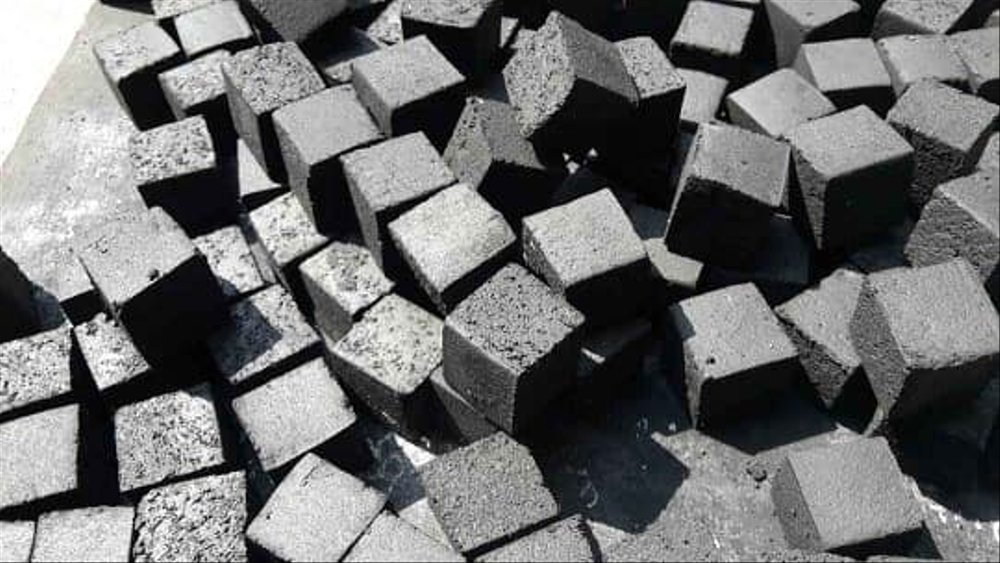
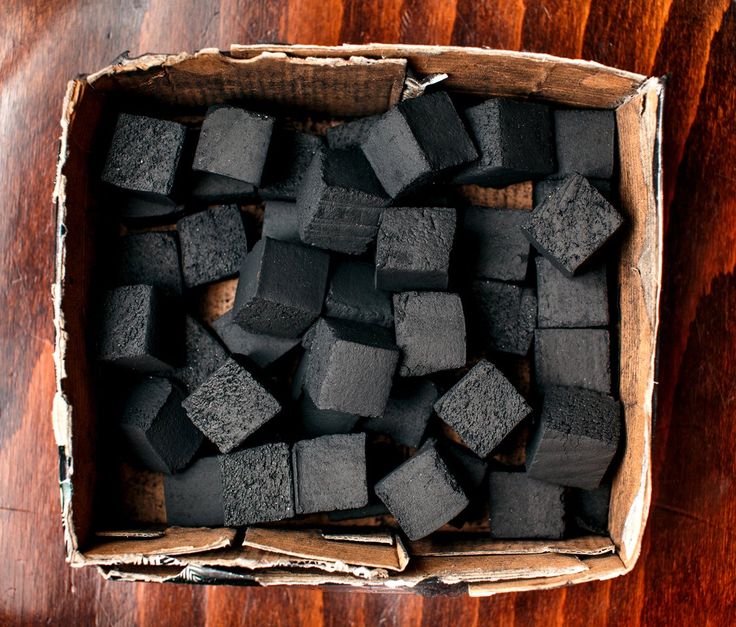
This main machine compacts the charcoal mixture into specific shapes, such as cylindrical, square, or pillow-shaped briquettes.
e. Drying System
Freshly pressed briquettes are dried using sun drying or mechanical dryers to reduce moisture content below 8%.
3. How the Machine Works – Step-by-Step
-
Material Preparation – The charcoal powder is loaded into the hopper.
-
Mixing – Binder and sometimes water are added to ensure proper cohesion.
-
Compression – The press applies high pressure to form briquettes with uniform density.
-
Release – The finished briquettes are taken out of the mold.
-
Drying – Briquettes are dried to achieve the required moisture level for storage or export.
4. Types of Briquette Press Machines
-
Screw Press – Produces briquettes with a central hole, allowing better airflow during burning.
-
Hydraulic Press – Uses hydraulic power for strong compression, ideal for dense briquettes.
-
Roller Press – Shapes briquettes by pressing the mixture between two rotating rollers.
The choice of machine depends on production capacity, budget, and target market.
5. Advantages of Using the Machine
-
Improved Productivity – High output rates reduce labor requirements.
-
Better Marketability – Uniform briquettes are more appealing to customers and meet export standards.
-
Cost Efficiency – Reduced waste and energy optimization lower production costs over time.
-
Flexibility – These machines are capable of producing different shapes and sizes to meet diverse market needs.
6. Maintenance Tips for Longevity
To ensure the briquette making machine operates efficiently for years:
-
Regularly clean the hopper, molds, and rollers to prevent residue buildup.
-
Lubricate moving parts according to the manufacturer’s recommendations.
-
Check for wear and tear on molds and replace them when necessary.
-
Avoid overloading the machine to prevent mechanical strain.
Conclusion
A coconut shell charcoal briquette making machine is a crucial tool for anyone serious about entering or scaling in the charcoal production business. By streamlining the production process, ensuring consistent quality, and enabling higher output.
The machine enables producers to effectively meet the rising demand in the market. With proper use and maintenance, it can significantly boost both production efficiency and profitability in the competitive briquette industry.